Schools & Education
What DeWine’s new regional education partnerships could mean for Dublin students and employers
Dublin City Schools’ full territory is covered, but the state has not named local participants, leaving students’ access to new opportunities unclear.
By Staff · September 14, 2026
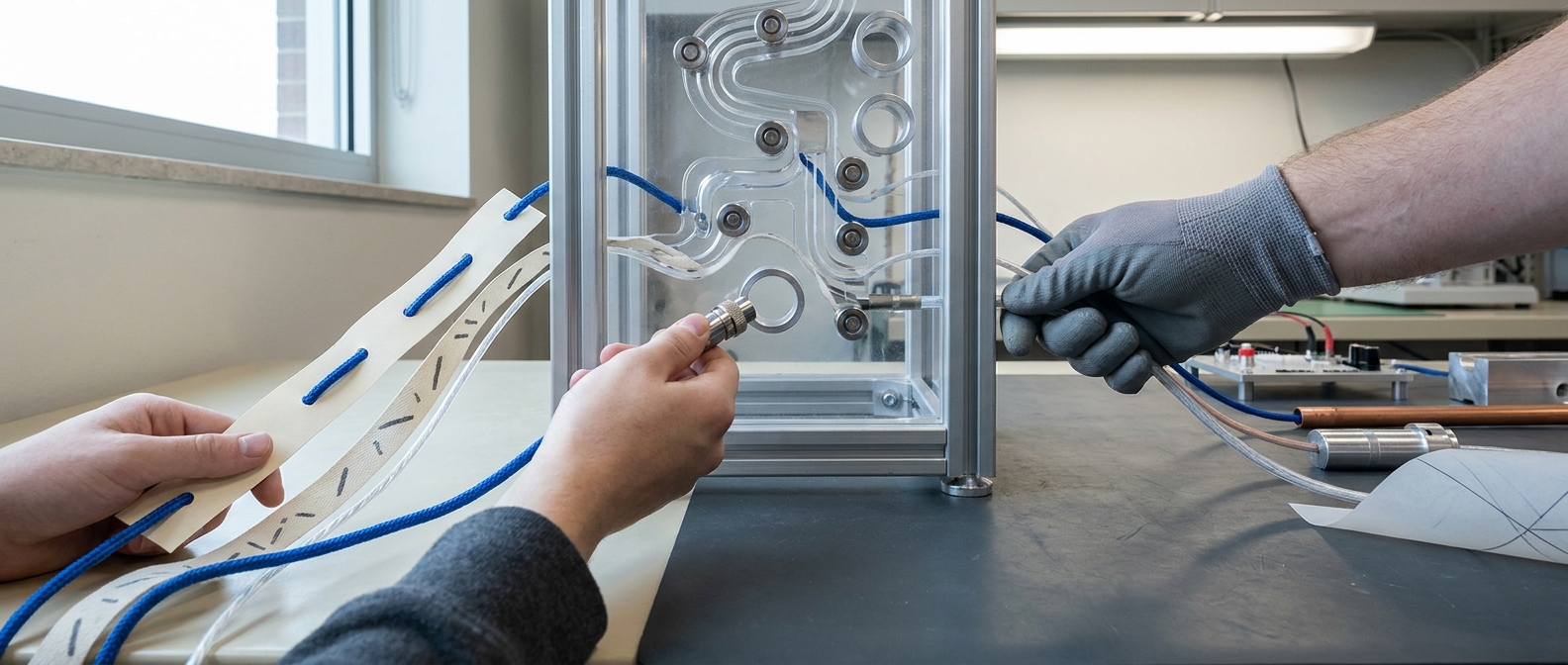
For a senior at Emerald Campus weighing college, an apprenticeship or a first full-time job, the promise behind Ohio’s new regional education partnerships is straightforward: make the route from classroom to career easier to find and use.
Dublin City Schools falls within the Central Ohio effort. Gov. Mike DeWine’s Sept. 12, 2026, announcement launched 12 Regional Education Partnerships statewide. The state designated the Central Ohio Talent Network as this region’s lead. But the announcement did not publish a roster of participating districts, employers, workforce groups or community organizations, nor did it name an individual representative for Dublin City Schools.
The practical question for Dublin families is whether that broad regional structure produces opportunities students can see and reach.
“Ohio’s future depends on the success of our young people,” DeWine said. “Regional Education Partnerships build on our years of investments in early childhood, literacy and career-connected learning by bringing communities together around a shared goal -- helping more young people reach their full potential,” he said.
Dublin’s place in the region
Dublin City Schools covers about 42 square miles across Franklin, Delaware and Union counties. The district’s boundaries do not match Dublin’s city limits.
Ohio’s 2026 workforce-region map places all three counties in the same workforce region, putting the district’s entire service area within the Central Ohio partnership’s territory.
Who joins the work
Under Ohio law, the Department of Education and Workforce works with other state agencies to create and oversee the partnerships, with a goal of having at least one in each of Ohio’s six JobsOhio regions.
To qualify, each partnership had to include education organizations and at least one cross-sector partner with a commitment letter or formal agreement, according to the state’s 2026 application. Those partners could include businesses, workforce groups, health organizations, justice-system organizations and social-service providers.
The partnerships also are expected to coordinate across education and workforce systems and, where appropriate, align their work with business advisory councils, industry-sector partnerships and regional efforts to increase educational attainment.
“Every community has incredible people and organizations working to help young people succeed,” Ohio Lt. Gov. Jim Tressel said. “Regional Education Partnerships give those local leaders a way to come together, look at what’s working, identify where students are falling behind, and solve problems as a team,” he said.
Paths Dublin already has
Dublin students already have several career-planning and work-based learning options. These are existing local programs, not new offerings created by DeWine’s announcement. The regional partnership could help connect or expand them, but the programs are already in place.
The district’s 2026-27 high school guide identifies Tolles Career and Technical Center as Dublin’s associated career center and includes career-technical programs in students’ pathway planning.
At Emerald Campus, the internship-based Young Professionals Academy develops workplace skills and offers the OhioMeansJobs-Readiness Seal. The Dublin Co-Op program provides mentor-supported work opportunities for students in grade 12.
The district also uses the Work in Dublin Job, Career and Internship Fair to connect students with local businesses offering jobs and internships. Businesses interested in participating are directed to the district’s coordinator of secondary pathways and partnerships.
The advanced-industry test
Central Ohio already has examples of what a defined route into advanced-industry work can look like.
Central Ohio Technical College offers a two-year associate degree in semiconductor manufacturing engineering technology and an industrial electrician certificate for students pursuing semiconductor careers.
Columbus State Community College has projected that technicians would make up about 70% of Intel’s Ohio workforce. That is a workforce projection for the project, not a current 2026 employee count or hiring level.
Intel also said in a 2023 Ohio workforce fact sheet that it was working with Ohio community colleges on a one-year semiconductor technician certificate designed to be stackable, shareable and transferable.
Those programs illustrate what a concrete career route can look like; DeWine did not unveil them as offerings of the new partnership. His model creates a coordinating structure between education and employment systems, not one uniform career program for every student.
For Dublin families and employers, the regional table itself is not the result. The result would be students who can find and enter career-tech courses, internships, co-ops and jobs — with named employers attached and a clear way for businesses to offer placements.