Schools & Education
National Weather Service Investigates Possible Tornado Strike in Dublin During August 11 Storms
Surveyors did not confirm a tornado in Dublin, but the derecho knocked out power to over 130,000 customers days before school starts Aug. 20.
By Staff · August 20, 2026
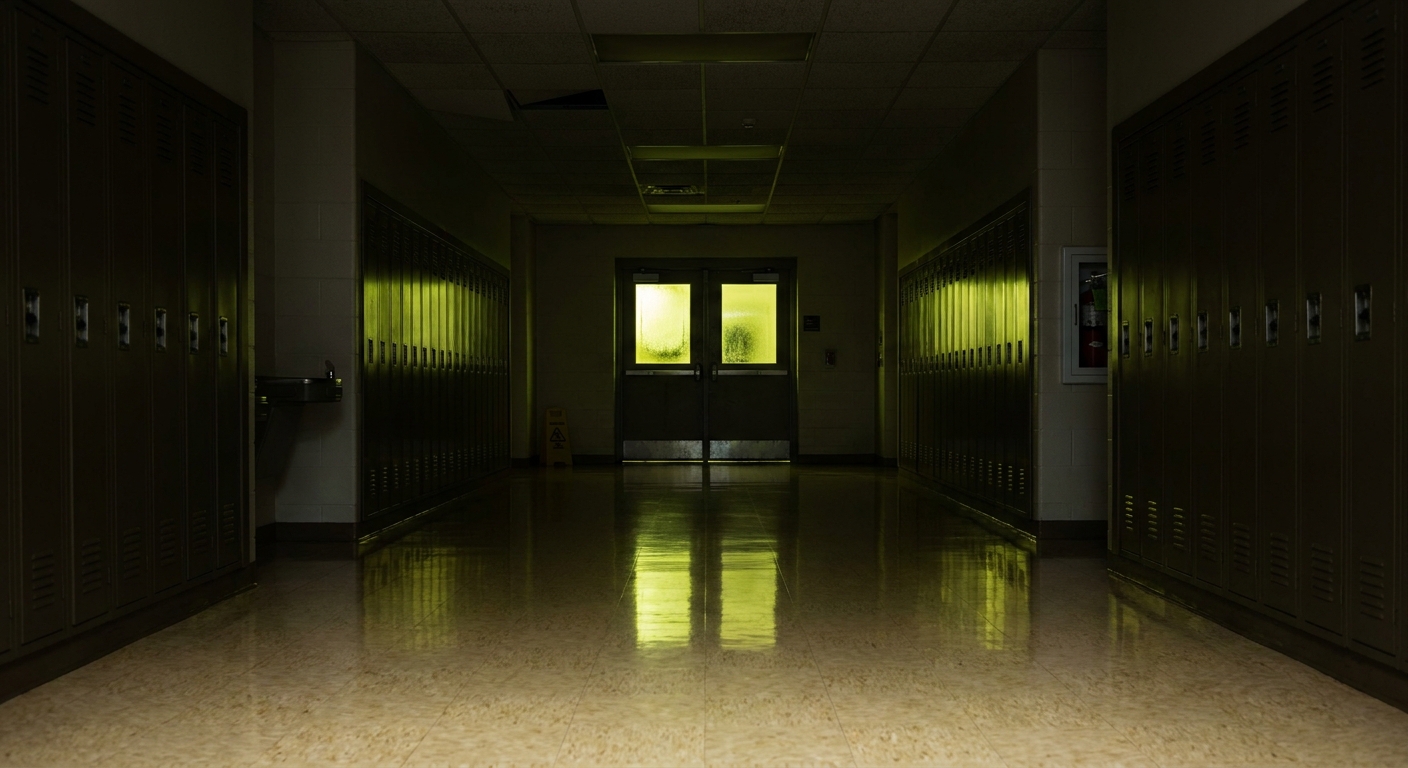
On the morning of Aug. 11, severe storms knocked out power to more than 130,000 AEP Ohio customers and caused widespread damage across central Ohio. For Dublin families preparing to send children back to school, the most troubling question was close to home: the National Weather Service initially suspected a tornado passed through Dublin toward Ohio State University around 10:30 a.m., though survey findings did not later confirm a tornado in that corridor.
The National Weather Service did confirm that an EF1 tornado touched down in south Columbus at 10:05 a.m., producing estimated peak winds of 100 mph along a 1.8-mile path as wide as 100 yards. The tornado traveled along Parsons Avenue, South Champion Avenue, Reeb Avenue and Lockbourne Road before ending at 10:09 a.m. EDT west of Fairwood Avenue.
A severe thunderstorm warning issued at 9:22 a.m. EDT for southern Union County included Dublin and was set to expire at 10:15 a.m. EDT. The suspected severe weather moved through Dublin around 10:30 a.m., after that warning period had ended. No tornado warning was issued for Columbus because radar did not show clear enough signs of a tornado.
Winds reached 82 mph at John Glenn International Airport. In Upper Arlington, including near the high school and Zollinger Road, damage was attributed to straight-line winds of 90 to 100 mph rather than a tornado. The Storm Prediction Center preliminarily classified the Aug. 11 outbreak as a derecho that ripped through the Midwest.
Columbus declared a state of emergency Aug. 12. The American Red Cross opened a shelter at the Scioto Southland Community Center on Parsons Avenue for people displaced by storm damage or power loss. Nearly all central Ohio customers who lost power were expected to have electricity restored by 10 p.m. Aug. 14, three days after the storms.
A close call days before school begins
Dublin City Schools' 2026-27 school year begins Aug. 20 for students in grades K-12, nine days after the storms. The suspected severe weather passed through Dublin at 10:30 a.m. on a weekday, when summer programs and staff preparation would typically be underway.
The warning gap and uncertain path raise immediate questions for families about how students would be protected and how parents would receive information if another fast-moving storm struck during school hours.
Before classes begin, Dublin City Schools conducted a full-scale reunification drill at Scioto High School in August 2026 to practice safely reuniting students with parents after an emergency forces a school to close. The drill involved parents, students, checkpoints, sign-out procedures and Dublin Police. Ohio requires schools to conduct three types of emergency management tests over a three-year cycle.
The drill occurred during a leadership transition. Dr. Jennifer Schwanke became superintendent of Dublin City Schools as of Aug. 1, following the resignation of John Marschhausen effective July 31.
How Dublin schools respond to severe weather
Dublin City Schools uses the I Love U Guys Standard Response Protocol for emergencies. Under that system, the severe-weather procedure is "Shelter" equals "Named Hazard," a protocol for group and individual protection during inclement weather or a hazmat incident.
The district conducts tornado drills during tornado season and designates specific shelter areas. Ohio guidance recommends moving students to the lowest, most interior part of a building, ideally below ground level or in a central corridor or small room, away from windows, glass, exterior walls and areas with only one exit.
If buses are at school when severe weather is imminent, Ohio guidance says schools should not load the buses and should instead keep students sheltered.
Tim Chatman, the district's safety director and former Dublin police chief, oversees safety and security staff who train district employees to respond to natural or human-caused emergencies and work with communications and school staff to inform families as soon as possible during an emergency. The district works closely with first responders and submits an annual safety plan to the state.
How families will receive alerts
Dublin City Schools uses a broadcast notification system to contact families by phone call, email and text message during emergencies and posts updates on its website and social media. The district also distributes information through local television and radio.
During an emergency, the district says it will prioritize first responders and school safety and may change school start or dismissal times. Parents should watch for updates through the district website, social media and automated messages rather than rushing to the school.
For that system to work, families must keep their contact information current with their child's front office.
The Aug. 11 storms illustrated why families cannot rely solely on receiving a tornado warning: the suspected severe weather in Dublin occurred without one.
That challenge comes as Ohio records elevated tornado totals. The state had 74 tornadoes in 2024, more than three times its historical average of about 20 per year, and recorded 28 tornadoes in 2025. The Cincinnati tri-state region, which includes parts of Ohio, has already logged 19 tornadoes in 2026, and every year since 2019 has brought more tornadoes than the local historical average of 10 to 11 per year.
Scientists and meteorologists say climate change is clearly driving more frequent heavy rainfall and flooding in Ohio. The connection to rising tornado frequency is plausible but has not been conclusively proven, in part because of factors such as improved detection technology.
What parents can do before classes begin
The district's emergency communication procedures and safety protocols are available at dublinschools.net under the Operations and Safety and Security sections.
Parents can prepare children by explaining that during a tornado warning at school, students will follow the Shelter protocol and move to interior hallways or designated shelter areas away from windows and exterior walls.
Families attending back-to-school events can ask staff where their child's specific shelter location is, how quickly the district receives National Weather Service warnings and how the broadcast notification system would reach them during school hours.
The City of Dublin's primary Emergency Operations Center is the Dublin Justice Center at 6565 Commerce Parkway. Residents should call 911 for emergencies and use the police non-emergency line at 614-889-1112 for routine service needs.