Local News
The Workers Behind Dublin's Boom Can't Afford to Eat Here
The city's food pantry has seen visits surge nearly 200% since 2019, with nearly 70% of its shoppers being working families losing SNAP benefits.
By Staff · September 8, 2026
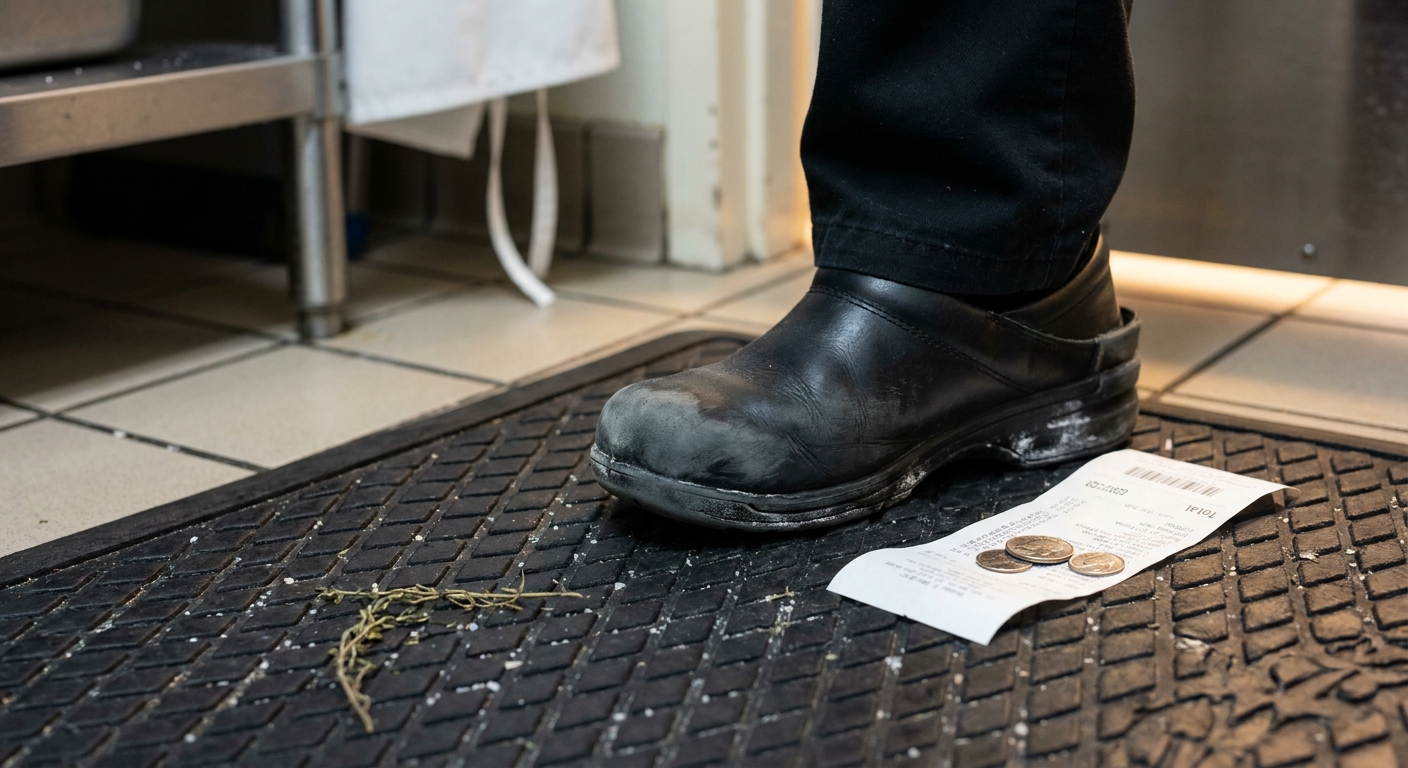
On a good week, a line cook at one of Bridge Park's restaurants earns about $17 an hour. That's enough to push a single worker past the federal threshold for food assistance — but not nearly enough to cover a $1,596-a-month apartment in the city where the job is.
It's the math that defines a growing crisis in Dublin, one playing out not in the city's gleaming commercial districts but at its food pantry on Dublin Center Drive, where visits have surged nearly 200% since 2019.
Dublin Food Pantry, a choice pantry at 6608 Dublin Center Dr., served 631,041 meals across 10,487 households in 2025. In January alone, visits jumped nearly 30% and households served climbed more than 41% compared with the same month a year earlier. Nearly 70% of the pantry's shoppers are working poor families — households sometimes holding two or three jobs while living at or below the federal poverty line.
Many of those families work in the restaurants, retail stores, and service businesses that anchor Dublin's economy: Bridge Park, Metro Center, and Tuttle Crossing. They remain employed, but they are increasingly losing SNAP benefits as modest raises or additional hours nudge them past eligibility limits — even as local living costs stay far out of reach.
A Shrinking Safety Net
The demand surge at the pantry tracks with sweeping changes to Ohio's food assistance program. Expanded work requirements and cost-shifting have cut statewide SNAP participation by 7% over the past year, removing roughly 100,000 people from the rolls. Nationally, more than 4.5 million Americans have lost federal food aid since summer 2025, and food banks across the country report growing numbers of visitors who work, have homes, and pay regular bills but cannot afford groceries.
Franklin County's SNAP caseload tells a two-chapter story. It grew from 67,678 households with 145,897 active members in August 2023 to 76,071 households with 165,813 active members in May 2025. Then the cuts hit: by August 2026, Dublin Food Pantry reported that more than 162,000 Franklin County residents depended on SNAP — a decline from the May peak as statewide reductions took hold.
In Franklin County and across Ohio, expanded work requirements have also caused thousands of legally present immigrants, refugees, and their children to lose benefits despite employment histories.
The pantry's August 2026 newsletter carried a blunt warning: the current setbacks are occurring even before the full impact of upcoming SNAP and Medicaid reductions.
Employed but Underwater
In 2026, a one-person household in Ohio must earn no more than $1,696 in gross monthly income — 130% of the federal poverty level — to qualify for SNAP. For a family of four, the ceiling is $3,483. Able-bodied adults without dependents must work at least 20 hours a week or participate in qualifying training to maintain benefits.
The wages in Dublin's signature commercial districts fall squarely in the gap between eligibility and self-sufficiency. Food preparation and serving workers in the Columbus metro area earned a mean hourly wage of $17.24 in May 2025; Ohio's leisure and hospitality sector averaged $19.92 per hour in June 2025. Retail workers in Columbus earned approximately $15.24 per hour, and statewide averaged $16.30. Ohio's cash wage for tipped restaurant servers is roughly $5.50 per hour, and the state minimum wage for non-tipped employees is $11 per hour. Reported total earnings for servers vary — ZipRecruiter puts hourly pay at about $12.88, while Indeed reports base pay around $17 per hour, with tips often adding substantially.
By comparison, the Columbus metro area's average hourly wage across all occupations was $32.34 in May 2025. Dublin's median household income is approximately $155,282.
Run the numbers and the trap becomes plain. A single hospitality worker earning $17 to $20 an hour and working 30 hours a week would gross roughly $2,210 to $2,600 a month — above the single-person SNAP threshold but unable to afford Dublin's median rent without severe cost burden. A family of four with one full-time hospitality worker at $17.24 an hour would gross about $2,988 monthly, still qualifying for benefits. But a second part-time job or a modest raise would push them past the $3,483 cutoff — while leaving them nowhere near the income needed for Dublin housing.
Those same workers, now disqualified from SNAP, are turning to Dublin Food Pantry at record rates.
A Regional Pattern
Dublin's crisis is not isolated. Mid-Ohio Food Collective, which distributes food across 20 counties through more than 600 partner agencies from its primary location in Grove City at 3960 Brookham Drive, delivered about 85 million pounds of food last year — serving more than 500,000 people and roughly 193,000 meals every day. In 2024, families across the collective's service area visited pantries 1.84 million times, more than 5,000 families per day. Working families who have lost SNAP benefits but remain food-insecure are driving the increase across the network.
75 Units Against 10,487 Households
Dublin City Council — Mayor Chris Amorose Groomes, Vice Mayor Cathy De Rosa, and members Christina A. Alutto, Wendy Johnson, Andy Keeler, Amy Kramb, and Greg Lam — has adopted a housing strategy that acknowledges the problem in broad terms: Dublin is expensive, average households cannot afford new construction, and additional supply is needed to keep pace with growth.
The city defines workforce housing as housing "accessible for working families, young professionals and others who contribute to Dublin's vibrant economy." Its strategy includes preserving existing income-restricted rental stock and building new homes for seniors on fixed incomes. The All In Dublin affordable housing project adds 75 units, with 25% set aside for adults with disabilities, 40% for older adults, and the remainder designated workforce housing.
Seventy-five units against the documented reality of 10,487 households served by Dublin Food Pantry in 2025, nearly 70% of them working poor. The city's housing materials describe workforce housing as serving those who contribute to Dublin's economy — yet hospitality and retail wages, the backbone of Bridge Park, Metro Center, and Tuttle Crossing, remain far below the income needed to afford Dublin's median rent of $1,596 or median home value of $514,900. The strategy does not address wage floors, employer practices, or the immediate food insecurity crisis the pantry is documenting month after month.
The Gap With No Clear Path to Close
Dublin's tax base and commercial vitality depend on a workforce caught in a bind built into the system: earning too much to qualify for SNAP, too little to afford housing or groceries in the city they serve. The city's housing strategy acknowledges the affordability problem. The pantry's data quantifies the human cost. Between them sits a gap with no announced plan to bridge it.
And it is about to get wider. As Dublin Food Pantry warned in August 2026, the current surge in working families seeking food assistance is happening before the full impact of upcoming SNAP and Medicaid cuts — meaning the mismatch between Dublin's prosperity and its workforce's stability has likely not yet peaked.