Local News
Ohio Awards $11.9 Million From $21.5 Million Demolition Fund. What Does Dublin Get?
Dublin-area residents see no local projects funded as nearby counties split $460,000 for demolitions elsewhere, and cleared sites face no rebuilding requirements.
By Staff · August 29, 2026
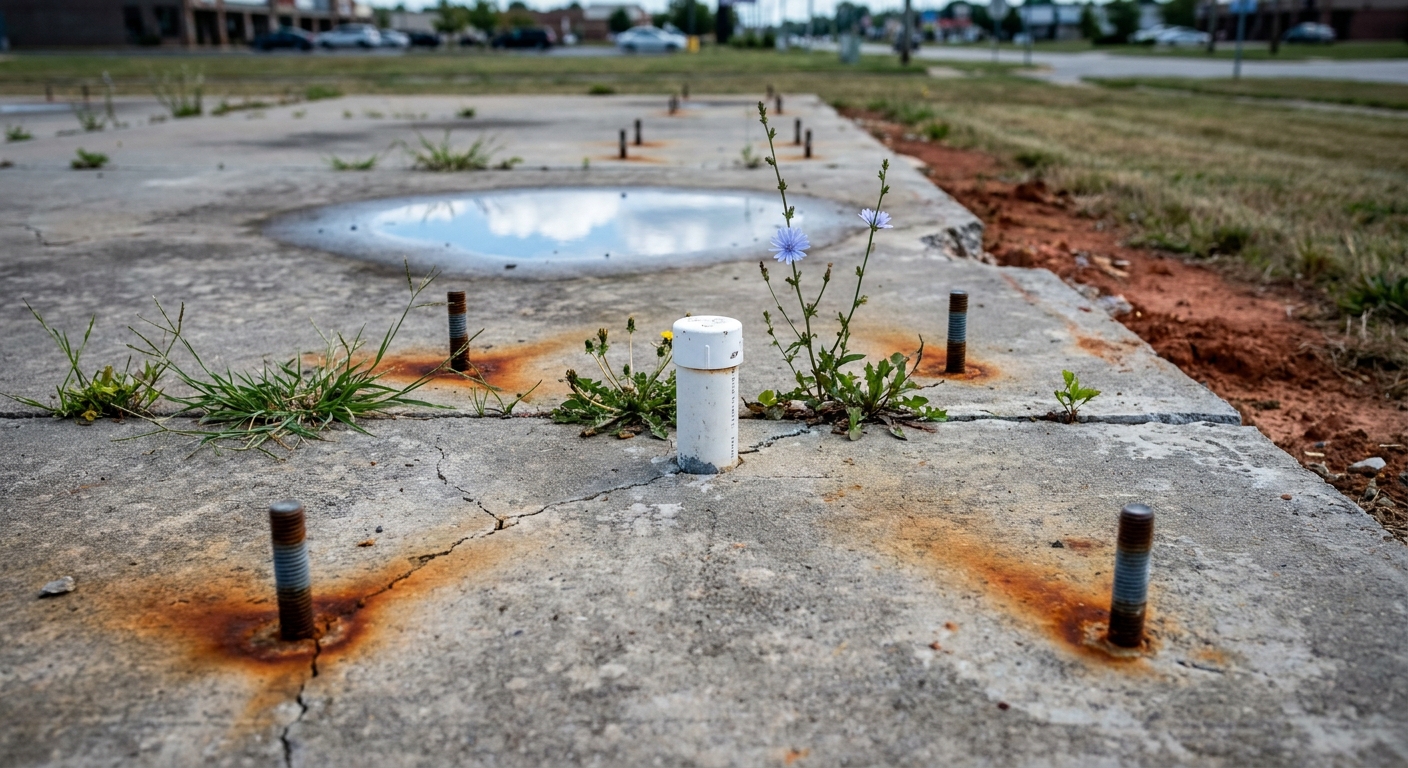
Ohio announced approximately $21.5 million in grants to tear down unsafe, blighted buildings and prepare sites for redevelopment through its Building Demolition and Site Revitalization Program. Both Delaware and Franklin counties received funding in the July 2026 round — but none of the awarded projects target the aging strip centers and vacant commercial sites familiar to Dublin-area residents, and the program imposes no requirements that cleared land actually get rebuilt.
On July 17, 2026, the state awarded $11.9 million to 73 counties, bringing total program investment past $325 million for nearly 6,700 demolition projects statewide. Each county had roughly $230,000 reserved in fiscal year 2026; any money left uncommitted from those set-asides will roll into a competitive fiscal year 2027 round. The application window for the reserved funds opened Oct. 29, 2025, and closed Nov. 19, 2025.
Where the Dublin-Area Money Went
The Delaware County Land Reutilization Corporation received $230,000 to demolish three county-owned structures: the former Delaware County Service Center at 1405 U.S. 23 North and 1251 U.S. 23 North in Delaware, and an unoccupied farmhouse at 2409 State Route 750 in Powell, slated to become the future Bennett Farm Park site. Both properties are now in a pre-demolition phase, with environmental assessments and demolition contracts underway.
The Central Ohio Community Improvement Corp., Franklin County's land bank, received its own $230,000 for a demolition project at 488 South Yearling Road in Whitehall.
Neither award touches the shuttered retail corridors or idle commercial parcels in Dublin's orbit. The documented projects cover county-owned institutional buildings, a residential property, and one commercial address well outside the Courier's core readership area.
Who Can Apply — and Who Can't
Dublin-area communities access the program through two designated lead entities: the Delaware County Land Reutilization Corporation for Delaware County properties and the Central Ohio Community Improvement Corp. for Franklin County properties. Counties, townships, municipal corporations, port authorities, conservancy districts, park districts, and county land reutilization corporations may serve as lead entities. Private property owners cannot apply directly; a lead entity must have legal authority and access to demolish a building, and owners must consent when the entity does not own the property.
Eligible buildings must be vacant, blighted commercial or residential structures on non-brownfield sites, generally vacant for at least 60 days before application — unless a fire, casualty, or other emergency caused the vacancy. Occupied buildings are excluded, and brownfield sites qualify only when they are contiguous with a vacant, blighted structure that also needs demolition.
The Accountability Gap
What happens after a building comes down is largely a local decision. Redevelopment of cleared sites is at the discretion of the lead entity or local governments pursuant to their strategic or community plans, according to program materials. The state's program guidelines and FAQ documents specify no mandatory redevelopment timelines, deed restrictions, or clawback provisions that would prevent cleared parcels from sitting idle after taxpayer-funded demolition.
Gov. Mike DeWine framed the program in aspirational terms: "Every community deserves places that inspire pride and create opportunity," he said. His statement did not address whether the program includes any mechanism to ensure cleared sites actually reach the redevelopment stage.
The Central Ohio Community Improvement Corp. demolished approximately 3,500 homes and reclaimed more than 205 acres of commercial property between 2012 and 2022, but the scale of post-demolition redevelopment outcomes is not detailed in public program reports. Since 2021, nearly $2.9 million in demolition and brownfield-remediation grants have supported efforts to address blight and vacant properties in Delaware County alone.
What's Next
At its July 27, 2026, meeting, the Delaware County Land Reutilization Corporation board reviewed financials showing more than $327,000 available and discussed creating a local demolition grant program modeled on the state initiative, with applications expected to open in August. Unobligated fiscal year 2026 reserved funds will roll into the competitive fiscal year 2027 round, creating another application opportunity for both county land banks.
Neither county land bank nor Dublin-area municipal officials responded on the record about which local eyesore properties might be targeted in future rounds — or what commitments, if any, they will require to ensure publicly funded demolition leads to productive redevelopment rather than vacant lots that quietly reduce tax liability for the owners who held them.