Government
Dublin's 2026 races: Who's seeking statehouse and congressional seats — and what's ahead for city council in 2027
Dublin's November 2025 city council races drew 11 candidates across four wards, with "smart growth" dominating the campaign even as candidates offered few specific policies to protect working
By Staff · August 6, 2026
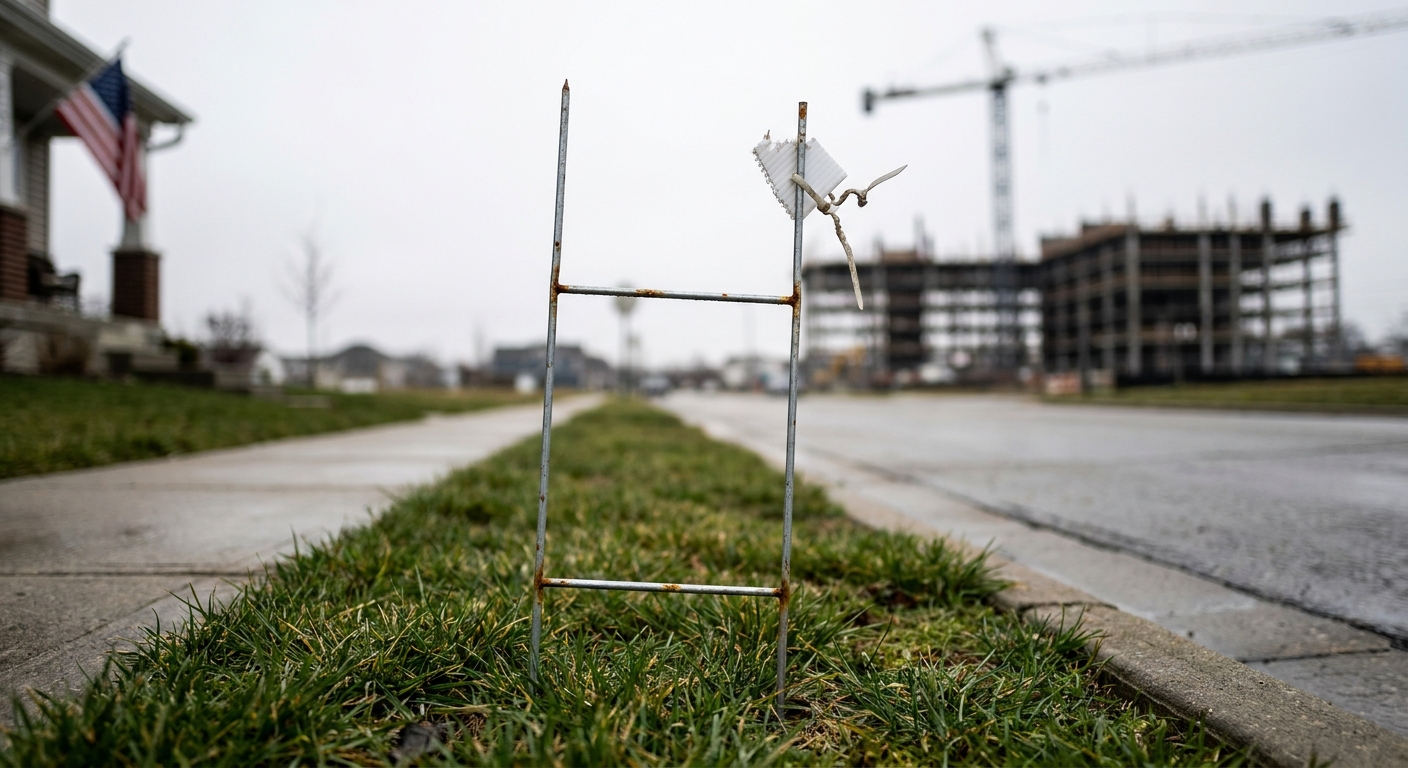
Dublin voters concerned about who pays for new schools, what housing gets built, and whether growth preserves the city's character will not choose City Council members in the next election. The next council race is scheduled for Nov. 2, 2027, when voters will elect three at-large members. The council has three at-large seats and four ward seats.
The current council includes Mayor Chris Amorose Groomes, Vice Mayor Cathy De Rosa, Christina Alutto, Andy Keeler, Amy Kramb, Wendy Johnson, and Greg Lam.
Instead, Dublin residents voting in 2026 will decide races for the statehouse and Congress — offices that help shape the funding and policies behind school capacity, housing costs, and the tech-corridor economy. Those choices will help determine whether Dublin's growth works for working families or chiefly lifts corporate campuses and property values.
Who is running
Dublin sits in Ohio's 15th Congressional District, alongside Hilliard, Grove City, and other southwestern Columbus suburbs. Republican incumbent Mike Carey is running against Democrat Don Leonard and Libertarian Brennan Barrington. Leonard defeated Adam Miller in the May 2026 Democratic primary, while Carey faced no Republican primary opponent.
Dublin's Delaware County precincts fall into Ohio House Districts 60 and 61, while its Franklin County precincts are in House District 8, which includes Dublin and Worthington.
In District 60, Republican incumbent Brian Lorenz faces Democrat Shelby Kimball. Lorenz defeated Peggy Guzzo in the Republican primary, while Kimball defeated Eli Wenzel on the Democratic side. Kimball's campaign website is kimballforohio.com.
In District 61, Republican Shawn Stevens faces Democrat Vince McGrail.
In District 8, Democratic incumbent Anita Somani faces Republican Kelly Hunter-Kalagidis. Somani's campaign website is drsomani4ohio.com.
Growth, housing, and who benefits
In the congressional race, Leonard supports what his platform calls a modern GI Bill for housing, aimed at increasing starter-home construction and helping working Americans buy homes. Carey co-introduced the Affordable Housing Credit Carryback Act, which sought to strengthen the Low-Income Housing Tax Credit.
Among statehouse candidates, Stevens has been more explicit than most about development oversight. Calling himself a "Conservative Outsider," he supports family tax relief and local control over development decisions, and has said he would fight to "not just rubber-stamp what the insiders want" on commercial development and data-center projects.
Schools: state dollars, local pressure
School funding offers a sharper contrast in several statehouse races — and carries immediate consequences for parents and homeowners as enrollment grows.
Lorenz lists removal of the growth cap in Ohio's school-funding formula among his priorities. He also supported the state operating budget, which directed more than $126 million to Delaware County schools and increased Olentangy Local School District funding by 75% over the biennium.
Kimball supports fully funding public schools and shifting more of the cost to the state, reducing the load carried by local property owners.
Stevens lists "Protect Our Schools" among his priorities and backs school choice through voucher programs, tax credits, charter schools, private schools, and home schools.
Somani's platform calls for more school funding and stronger school safety.
At the federal level, Carey voted for the FY26 appropriations package that included Labor, Health and Human Services, and Education funding.
Economic fairness and family costs
Leonard has made household affordability central to his congressional campaign, calling for lower costs for health care, housing, child care, older adults, and caregivers. "Every full-time job should support a full life," Don Leonard, Democratic candidate for Ohio's 15th Congressional District, said.
His platform supports lower out-of-pocket private-insurance costs and a public option for people without coverage. "Great childcare shouldn't cost a second mortgage," Don Leonard, Democratic candidate for Ohio's 15th Congressional District, said. Leonard also rejects corporate PAC money and favors a ban on congressional stock trading.
Carey's campaign stresses America First economic policies, opposition to Democratic spending and climate proposals, including the Green New Deal, border security, and constitutional freedoms.
In the statehouse races, Somani calls for capping the price of life-saving medicines, protecting personal health decisions from government interference, keeping taxes low, and opposing new taxpayer-funded bailouts. Stevens' campaign calls for ending taxpayer funding for daycare fraudsters.
Transparency and community voice
Leonard's rejection of corporate PAC money and support for a congressional stock-trading ban amount to specific federal reform proposals. Stevens ties accountability to development decisions, arguing for local control and against simply approving projects sought by political or business insiders.
Before November, Dublin voters can demand more than broad promises about growth and affordability. The test is whether candidates will say plainly whether infrastructure should be in place before development is approved, whether mixed-use corridors should include income-restricted housing targets, and whether school funding should follow enrollment growth rather than property wealth.
Hunter-Kalagidis can be reached at [email protected]. Barrington can be reached at [email protected] or (207) 694-9128.