Community & Events
Dublin Scioto River Cleanup Adds Native-Tree Planting for First Time
Volunteers will remove litter and plant native trees where 4,000 pounds of invasive honeysuckle was cleared earlier this year along the Scioto.
By Staff · September 8, 2026
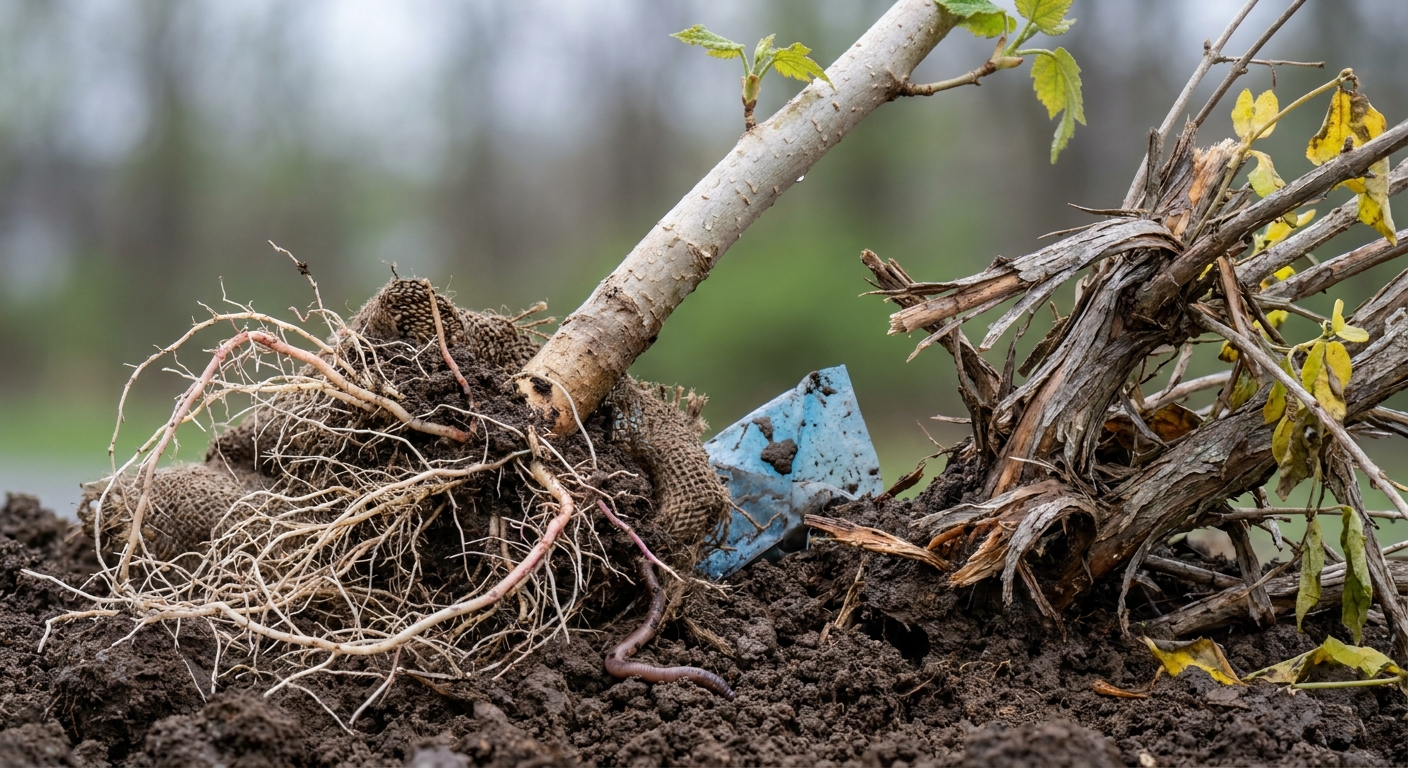
For the first time, the City of Dublin's annual Mike Utt Scioto River Cleanup will put shovels in volunteers' hands alongside trash bags. When volunteers gather at Amberleigh Community Park on Saturday, Sept. 12, from 9 a.m. to noon, they will collect litter from the river and its banks as usual — and plant native trees along the riverbank. The addition raises a practical question: whether the event is evolving toward habitat restoration or simply adding a green garnish to a familiar cleanup day.
From Honeysuckle to Native Trees
The planting will take place where invasive honeysuckle once choked the riverbank. During Earth Day and Arbor Day activities at Amberleigh on April 24, volunteers removed roughly 4,000 pounds of honeysuckle from the site. The April event description said city staff would maintain the cleared area and replant it with beneficial plants over time. A separate volunteer group on Sept. 12 will plant trees or shrubs in that same area.
The cleanup is part of Dublin's Nature & Sustainability volunteer programming and has been held annually. City staff will discuss trash diversion, river wildlife, and the role plants play in a healthy ecosystem during the event. As of Aug. 25, 37 of the event's 50 volunteer slots remained open.
What Native Planting Can — and Can't — Do
Trash collection delivers an immediate, visible benefit. A 2024 regional Central Ohio cleanup pulled 3,750 pounds of trash from multiple sites including the Scioto, and a separate 2024 effort removed thousands of pieces of litter from a litter-prone stretch of the river. But hauling out garbage does nothing to rebuild the habitat it degrades.
Native trees along riverbanks can stabilize soil with deep, fibrous root systems, filter sediment and nutrients before they reach the water, and shade streambanks to maintain cooler conditions for aquatic life. Native trees and shrubs in riparian buffers also provide nesting sites, cover, food, and movement corridors for birds, mammals, amphibians, insects, and aquatic species. Those are functions litter removal cannot supply on its own.
Flood-tolerant species recommended for Ohio riparian buffers include sycamore, willows, swamp white oak, pin oak, red maple, box elder, cottonwood, silver maple, and river birch, along with shrubs such as silky dogwood, gray dogwood, red-osier dogwood, buttonbush, and witch hazel. Dublin's own landscaping plant list includes wet-soil natives such as river birch, hawthorns, swamp white oak, and possumhaw, as well as sugar maple, Ohio buckeye, serviceberry, sycamore, and several oak species.
The Survival Question
The ecological payoff depends entirely on what takes root and lives. Volunteer tree-planting survival rates vary widely: studies report figures as low as 30% to 40% with poor post-planting care, climbing to 70% to 85% with proper watering, mulching, and maintenance. Ohio's NRCS riparian forest buffer standard sets the bar at 75% survival after leaf-out during the second year.
Ohio riparian-restoration guidance calls for native species, protection from mowing and vehicle damage, proper spacing and mulching, and at least two years of monitoring and maintenance, including monthly checks during spring and summer. New trees should be watered immediately after planting and at least weekly through their first summer, at five gallons per tree.
Dublin has the infrastructure for that kind of follow-through. The city has been named a Tree City USA for the 37th consecutive year and a Tree Cities of the World community for the fifth. Its Forestry program maintains and prunes city-owned trees across green spaces, medians, tree lawns, neighborhoods, cemeteries, and streets, with a goal of pruning every street tree at least once every five years. The Legacy Tree Program plants memorial and recognition trees in parks and open spaces, with city staff handling planting, mulching, watering, and pruning; those plantings are scheduled in spring or fall to improve survival.
Yet the city has not detailed a maintenance plan specific to the Sept. 12 saplings.
Measuring What Matters
Dublin planning documents note that the Scioto's main stem within the city complies with aquatic-life standards, while the Hayden Run–Scioto River watershed has been identified in OEPA assessments as impaired and in need of a Total Maximum Daily Load water-quality restoration plan. The city also runs volunteer Water Quality Monitoring Blitz and Macroinvertebrate Survey programs that generate before-and-after comparison data and stream-health indicators shared with the City of Dublin and Franklin Soil and Water Conservation District.
The annual cleanup listing, however, does not report previous volunteer totals, trash totals, or measured changes in litter levels or habitat conditions along this stretch of the Scioto. Without that baseline, it is difficult to gauge whether the event's environmental impact is growing or holding steady.
Logistics
Volunteers must be at least 16; younger participants may attend with a registered adult. Closed-toe shoes are required, and volunteers should bring a filled water bottle. Participants should expect possible poison oak or ivy and ticks and must remain in the river or on public property. Light rain will not cancel the event, but heavy rain, thunderstorms, or other dangerous weather will, with no rain date scheduled. Amberleigh Community Park is at 4715 Vista Ridge Drive, Dublin, OH 43017.
Residents can reach Dublin's Nature & Sustainability volunteer program at [email protected] or (614) 410-4446.
Pairing litter removal with native-tree planting is a concrete step beyond annual tidying — but only if the trees survive. Dublin's forestry programs show the city can care for trees long-term; what's missing is a published maintenance commitment for these specific saplings, a plan to track survival against the 75% NRCS standard, and a willingness to report the results. Until the city does that, the Sept. 12 planting remains a promising first test — not yet proof that Dublin's volunteer cleanups have shifted from community engagement to measurable restoration.