Community & Events
Dublin Historical Society Expands August Programming with Wyandot Removal Speaker Series, Walking Tours
The speaker series features a Wyandotte Nation scholar exploring the 1843 forced removal of the Wyandot, the last Native nation expelled from Ohio.
By Staff · August 29, 2026
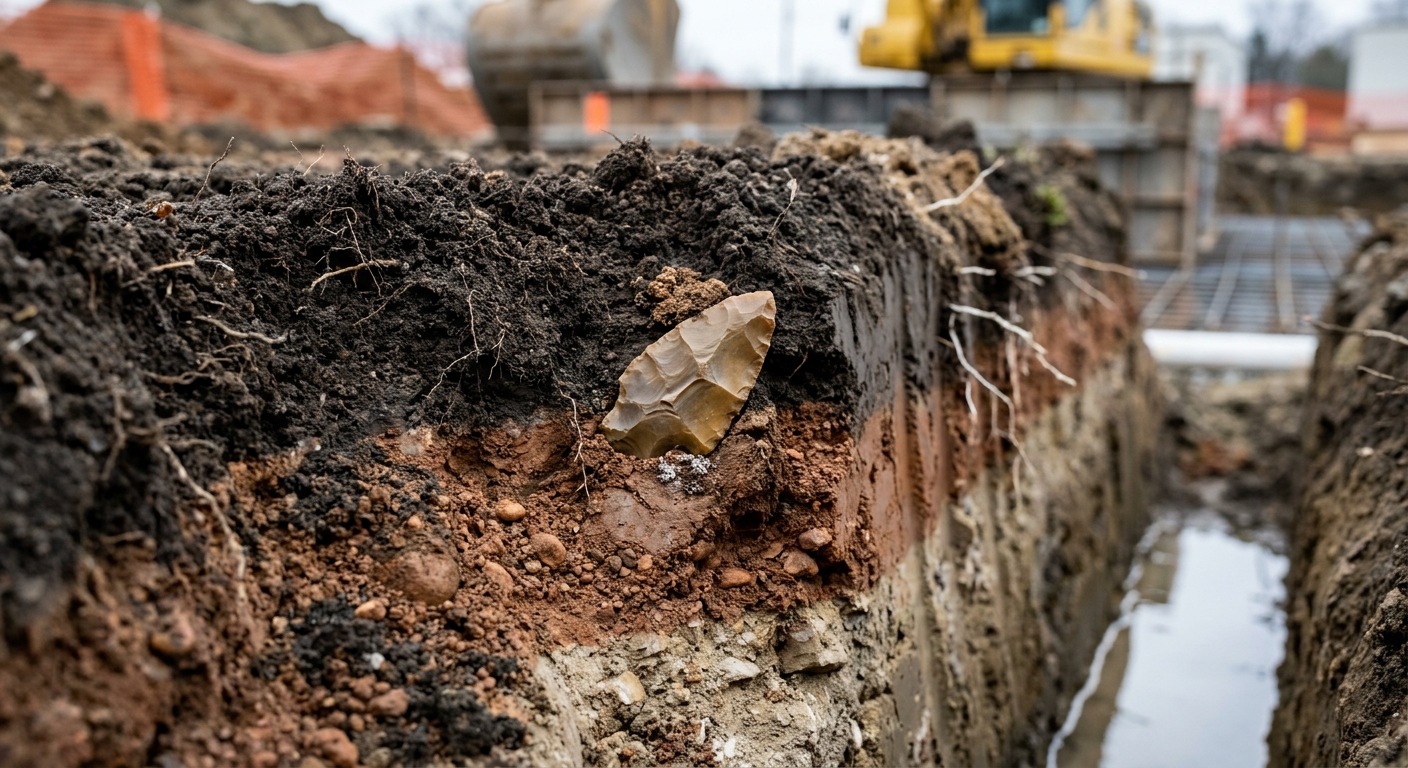
Dublin's founding story usually starts with John Sells surveying lots in 1810 and John Shields naming the settlement after his hometown in Ireland. The Dublin Historical Society's August programming picked up the chapter that narrative leaves out: the 1843 forced removal of the Wyandot, the last Native nation expelled from Ohio, from the land Dublin now occupies. dublinohiohistory.org/history/timeline/
Through a Second Sunday Speaker Series presentation on Aug. 9 and a guided downtown walking tour on Aug. 21, the society placed Indigenous displacement alongside the city's better-known settlement history — deliberate civic education at a moment when thousands of new residents are arriving and few may know what cleared the ground beneath the tech corridors, condo projects, and mixed-use districts rising around them.
A scholar from the Wyandotte Nation
Heather Miller, NAGPRA Coordinator for the federally recognized Wyandotte Nation, headlined the Aug. 9 event with a presentation titled "The Legacy and Learnings of Wyandot Removal: An intertwined history of the Wyandot and Dublin, Ohio." An enrolled citizen of the Wyandotte Nation, now headquartered in Wyandotte, Oklahoma, Miller holds a Bachelor of Philosophy from Miami University and a Master of Native American Studies from Montana State University and has worked with Native-led organizations including the American Indian Center in Chicago, Hopa Mountain, Potlatch Fund, and First Nations Development Institute.
The program ran from 3:00 p.m. to 4:30 p.m. at the Columbus Metropolitan Library – Dublin Branch, 75 N. High St.
The removal Dublin inherits
White settlers began arriving in the Dublin area around 1801. dublinohiousa.gov/history/ The Wyandot were among the Indigenous peoples connected to the region long before Euro-American settlement. In 1842, the Wyandot signed a treaty ceding their remaining Ohio lands — 109,144 acres in Crawford County — to the United States in exchange for land west of the Mississippi. wyandotte-nation.org/culture/our-history/ The departure came in July 1843: a 150-mile overland trek from Upper Sandusky to Cincinnati, where the Wyandot boarded steamboats bound for Indian Territory in present-day Kansas. archives.lib.ku.edu/repositories/3/resources/2092 They were the last Native nation removed from the state.
Dublin historical materials acknowledge the Wyandot presence and the 1843 removal, but the society's August programming went further, bringing a scholar from the Wyandotte Nation to document the displacement and offering walking tours of the Historic District where that history unfolded. dublinohiohistory.org/calendar/ dublinohiohistory.org/our-purpose/
Growth and the question it raises
The timing is pointed. Dublin's population stood at 49,328 in the 2020 census, and the city is entering one of its most active development phases in decades. growingcolumbus.com/future-development-in-dublin-ohio-whats-coming-next-2026-growth-guide/ The 33 Smart Mobility Corridor, the Beta District, and the West Innovation District are designed to draw research, technology, advanced manufacturing, and innovation companies. OSU Wexner Medical Center is building a new campus. The Planning and Zoning Commission approved final plans on July 9 for Bridge North, a mixed-use expansion of Bridge Park with housing, a 150-room hotel, office space, and retail. Crawford Hoying announced in July that construction has begun on The Ellis at Bridge Park, an 89-unit condo project expected to deliver starting in Q4 2027.
The Historical Society's stated purpose is to collect, preserve, and share local history, with emphasis on education and community engagement. Its August programming fulfilled that mission by asking a fast-growing suburb to reckon with who was here first — and what their removal made possible.
How to engage
The Aug. 21 Historic District Tour was a guided group walk of downtown Dublin, departing at 5:30 p.m. from the Dublin Convention and Visitors Bureau Center at 9 S. High St. and running until 7:30 p.m. Pre-registration was required, and tickets cost $10 per person.
Both August events have concluded, but the Dublin History Museum remains open at 35 S. High St. on Fridays, Saturdays, and Sundays from noon to 4 p.m. Tours are self-guided, and admission is pay-what-you-wish. For information about upcoming programs, residents can contact Katie Cook at [email protected] or visit dublinohiohistory.org.