Community & Events
Dublin Food Pantry Partnership: How the Irish Festival's Free Sunday Admission Model Supports Neighbors in Need
By Staff · July 21, 2026
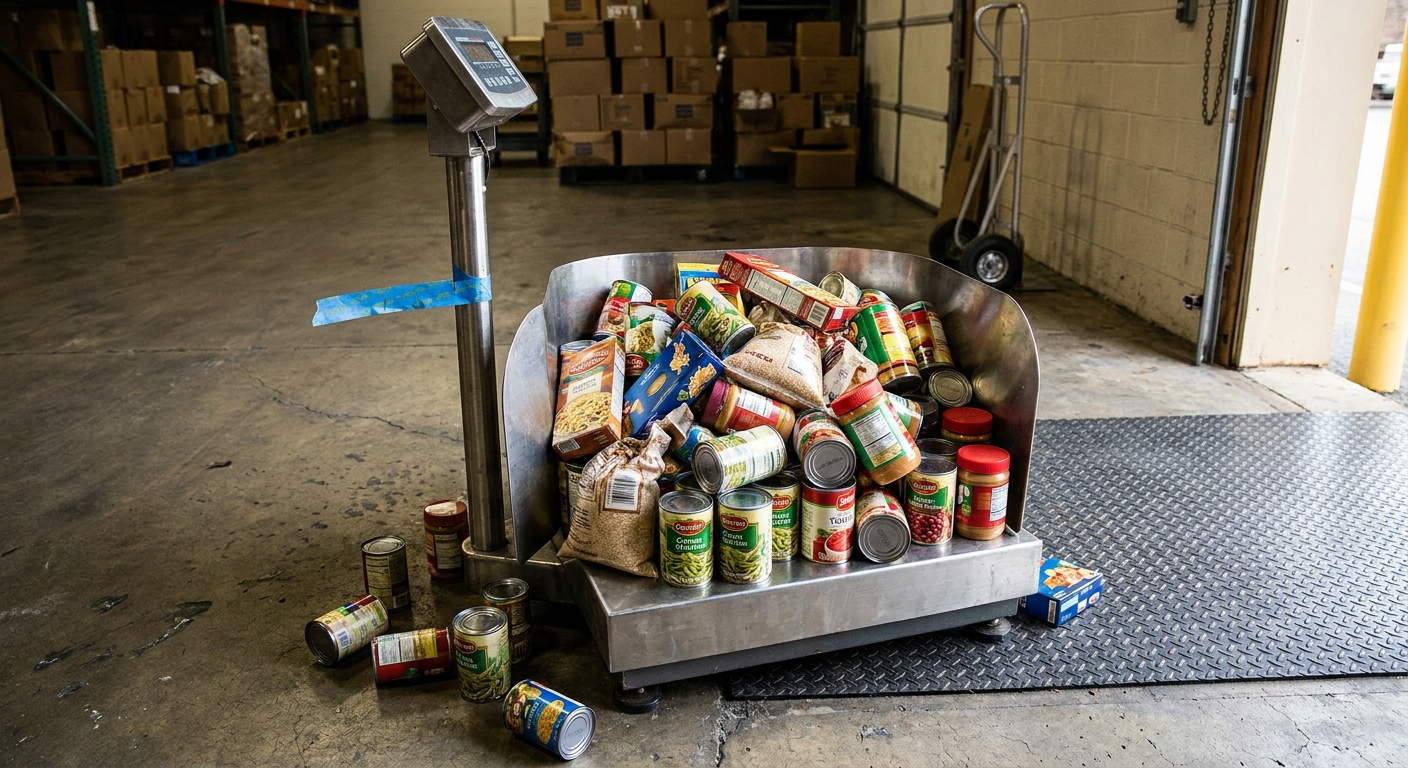
At Coffman Park's gates on Sunday, Aug. 2, a bag of nonperishable food or a cash donation will serve as the price of admission for a brief morning stretch — and as direct support for Dublin neighbors who rely on the Dublin Food Pantry. Guests who arrive between 9:30 and 11 a.m. on the final day of the 2026 Dublin Irish Festival and bring a nonperishable food item or cash donation will receive free admission, provided they are in line at an admission gate before 11 a.m. Those arriving at or after 11 a.m. on Sunday may still donate but must have a valid ticket to enter. Non-perishable food items and monetary donations are collected at all entrance gates during the Sunday morning window.
The 2026 Dublin Irish Festival will be held July 31–August 2 at Coffman Park in Dublin. The partnership between the festival and the Dublin Food Pantry has been in place for more than a decade, converting massive turnout into pantry support.
The numbers show a model that has been growing, not plateauing. At the 2024 Dublin Irish Festival, the Dublin Food Pantry received 8.5 tons — 17,000 pounds — of food. At the 2025 festival, that jumped to 9.9 tons, approximately 20,000 pounds, along with a record $16,000 in cash. By 2024, the festival had contributed a cumulative 185,568 pounds of food and $125,792.14 in cash to the pantry since 2010. By 2025, total donations exceeded 200,000 pounds of food.
The Dublin Food Pantry was founded in 1976 and is marking its 50th anniversary in 2026. It serves residents in the City of Dublin and the Dublin City School District, allowing eligible families to shop twice per month — a schedule that implies ongoing, recurring need rather than one-time emergency relief. Julie Erwin-Rinaldi, Executive Director of the Dublin Food Pantry, has characterized the pantry's mission as extending beyond food alone, suggesting that the festival partnership serves both material and symbolic functions — a public demonstration that food insecurity is a shared community concern. Jim Wilson serves as the pantry's Director of Operations. Alison LeRoy serves as Director of Community Events for the City of Dublin, a role that includes coordination of major civic gatherings like the Irish Festival.
The existence of a food pantry serving this community for 50 years signals that food insecurity persists in a suburb often characterized by its amenities and quality of life, even if the scope of that need is not always visible. The festival partnership has delivered a growing annual contribution, but the pantry operates year-round. If 20,000 pounds and $16,000 represent the festival's contribution in a single year, and eligible families may shop twice monthly, the annual donation likely supplies a meaningful but finite share of the pantry's total inventory needs — a boost rather than the bulk of what sustains operations.
Whether festival organizers or pantry leadership plan to expand the donation window, add collection points, or otherwise scale the model for 2026 has not been publicly detailed. The question heading into the 2026 festival is not whether the Sunday morning tradition will continue — it has proven its value over more than a decade and continues to grow — but whether Dublin's response to food insecurity can expand beyond a 90-minute gate policy into the kind of sustained civic engagement that lasts well past the festival weekend at Coffman Park.