Business
Local Artists, Vendors and Workers Behind the Festival: How Dublin's Irish Fest Fuels the Local Economy
By Staff · July 21, 2026
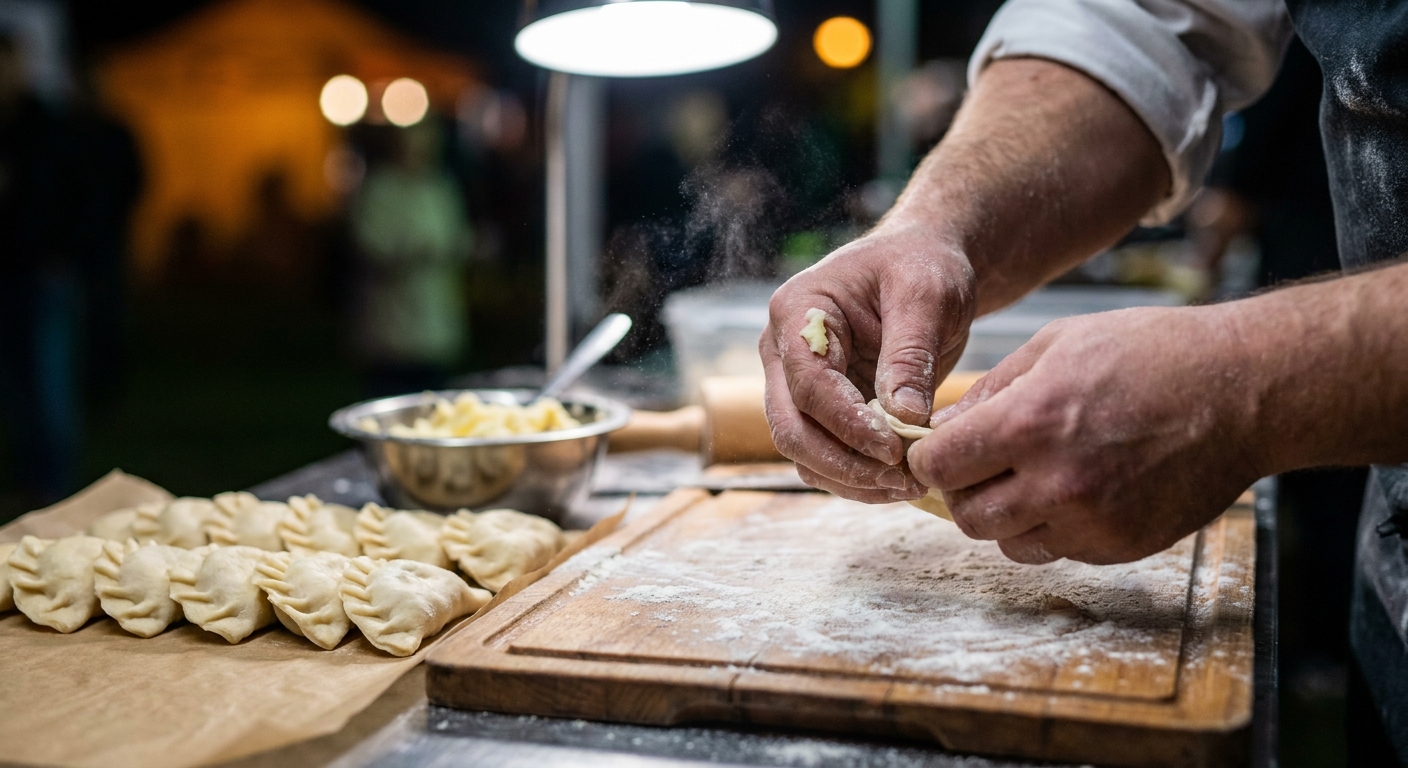
For the 26 local and regional artists booked at Dublin Irish Festival, and for food vendors such as Gosia's Pierogies, the crowds arriving at Coffman Park from July 31 through Aug. 2, 2026 represent more than a weekend of entertainment. They represent a three-day chance to earn during the summer festival season—paychecks that bridge lean weeks and sustain small businesses through the year for musicians, food entrepreneurs and gig workers in Delaware and Franklin counties.
The 2026 program pairs those 26 local and regional acts with 16 national and international entertainers, eight dance groups and five new acts. A total of 800 performers will appear across seven stages, creating a busy weekend not only for musicians and dancers but also for technicians, stage crews and other support workers.
Local and regional performers, including Columbus-based The Drowsy Lads, will share the lineup with national headliners such as Gaelic Storm, Altan, The Gardiner Brothers, Scythian and Eileen Ivers & The Brigideens. For regional acts, that means a booking on the same high-visibility stages as established international names—and a chance to play before a larger audience.
Food vendors face their own version of that opportunity. This year's roster includes Old Bag of Nails Pub, The Irish Baker, The Celtic Pig, Brock Masterson's Catering & Events, Dell's Homemade Ice Cream & Coffee, Dos Hermanos, Graeter's Ice Cream, Kona Ice, Cousins Maine Lobster Food Truck, Tortilla Street Food, Whole World, Snow Sisters, Squeaky's Cheese Curds, The Almond Shop and regional operations including Gosia's Pierogies from Pennsylvania. Gosia's Pierogies, a Deaf- and woman-owned pierogi business based in Latrobe, Pennsylvania, vends at festivals across the Eastern U.S. and is among the regional vendors returning to Dublin this year. Its trip illustrates the festival's pull beyond Dublin—and the importance of local customers deciding whether the journey pays off.
Nearly 100 global vendors are also expected to sell handmade jewelry, Celtic clothing and other goods at marketplaces including Emerald Arts Isle and Grafton Street & Temple Bar Marketplaces. Vendors offer peanut-free, pescatarian, vegetarian, vegan and gluten-free choices across trucks and stalls, requiring menu planning and inventory investment ahead of the event. The festival was accepting applications for 2026 vendors in April 2026, seeking a diverse mix of food and shopping businesses.
The Dublin Irish Festival does not publicly disclose specific payment amounts or compensation fees for local artists. Service providers, including performers at Dublin city events, are typically paid a lump-sum fee and are not eligible for employee benefits like workers' compensation or unemployment, according to a 2020 city RFP for community events. A festival booking can be valuable work, in other words, without the protections of a conventional job.
The festival runs from 4 p.m. to midnight Friday, July 31; 11 a.m. to midnight Saturday, Aug. 1; and 11 a.m. to 8 p.m. Sunday, Aug. 2. Attendance reached 85,000 visitors in 2025, a 10% increase over the prior year. For gig-economy workers in the arts, a multi-day booking of that scale represents concentrated summer income—a single event that can help cover rent, purchase equipment or bridge gaps during slower fall and winter months.
The work extends far beyond the performers and merchants visitors see. Sound technicians, stage setup workers, bartenders and security staff depend on the event for summer income. The festival supported the equivalent of 145 full-year jobs in 2023, according to an economic impact study. That figure measures work generated by the event, not year-round jobs guaranteed to individual workers. Beverage revenue rose nearly 30% to approximately $908,000 in 2025, outpacing attendance growth and signaling increased demand for bartending and service labor.
The 2023 Dublin Irish Festival generated a total economic impact of $12.0 million on the Greater Columbus/Central Ohio region, driven by direct spending of $7.6 million from non-local attendees and event operations plus $2.9 million from local residents, with the remainder attributable to indirect and induced economic effects. The festival generated approximately $2.0 million in federal, state and local tax revenue that year. That economic impact represented a 41% increase compared to 2018, when the festival generated $8.5 million. The growth matters because the festival must keep its own business healthy to continue booking performers, attracting vendors and hiring event staff.
In 2025, total festival revenue increased 24% compared to 2024, marking the first year since 2017 in which revenues surpassed expenses—a recovery that signals sustainability for the event and the workers who depend on it. For organizers, that recovery gives the festival firmer footing. For artists, vendors and workers, it helps protect a major source of seasonal work.
The 39th Dublin Irish Festival will mark nearly four decades of supporting local artists, vendors and workers alongside international entertainment. For the 26 local and regional artists, food vendors and hundreds of gig workers who will fill Coffman Park from July 31 through Aug. 2, the festival represents both a stage and a paycheck—a community tradition that sustains livelihoods as much as it celebrates culture. The festival also supports the broader community through the Sharing o' the Green program, with 30 local nonprofit organizations generating funds for their causes through the program in 2024.